
Exclusively Wholesale
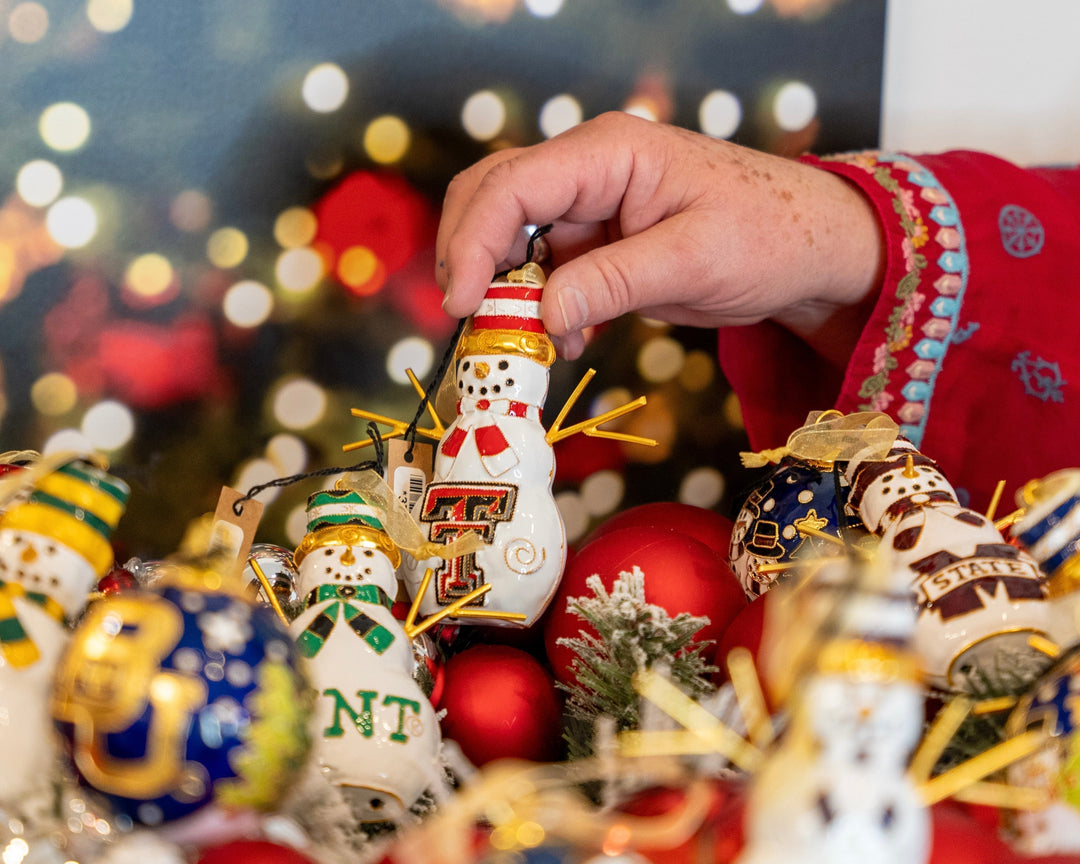
Kitty Keller Designs partners exclusively with retailers, destinations, clubs, and organizations to create custom cloisonné and hand-painted glass ornaments—designed to be shared, gifted, and treasured by many.

Celebrate the Destination. Preserve the Memory.
Custom ornaments for resorts, boutique hotels, golf destinations, and coastal communities.

Easy wholesale ordering, risk-free.
Join today to claim your referral offer: 50% off your first order, up to $150, and 1 year of free shipping.*

Kitty's Latest Blog
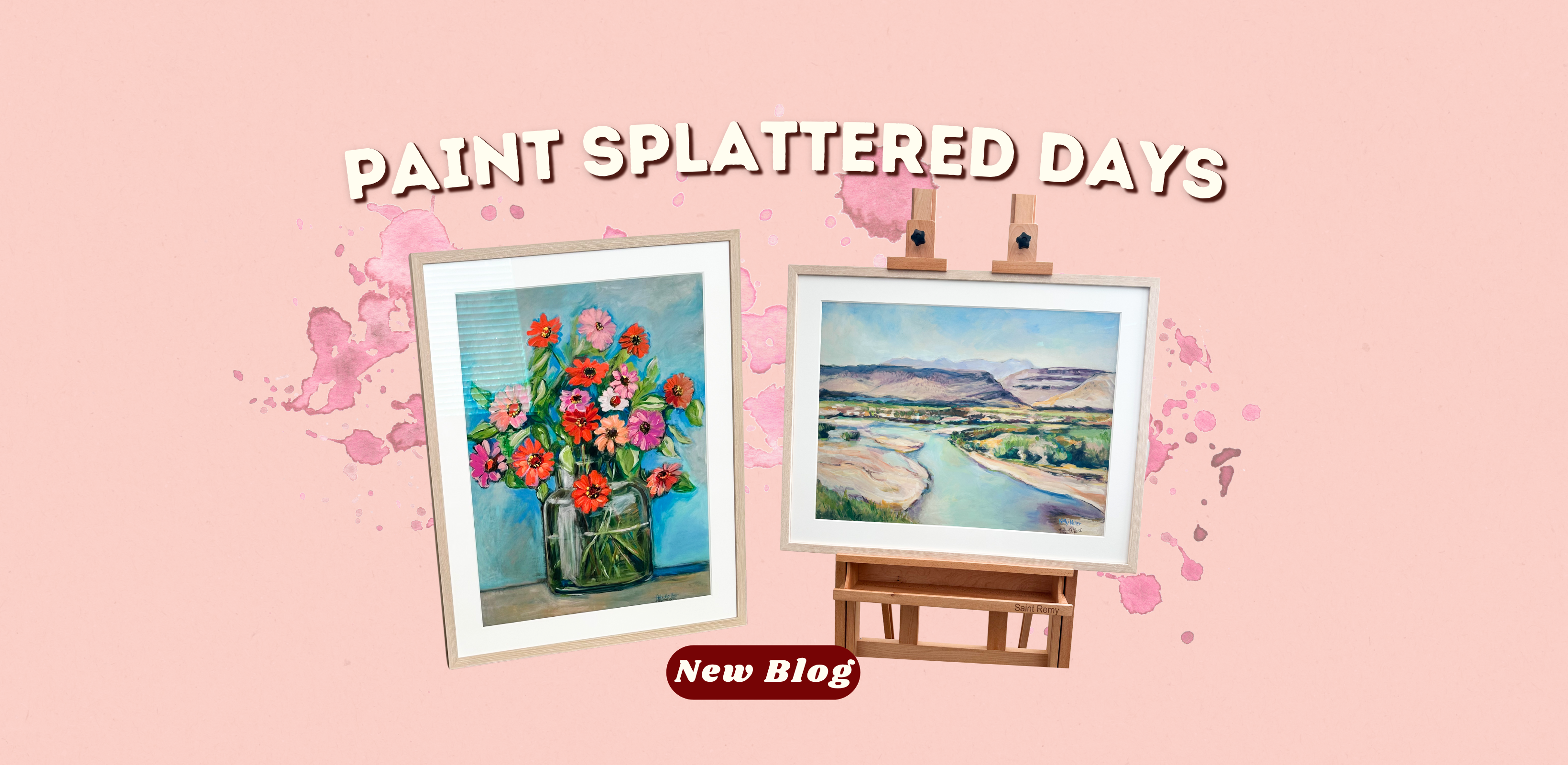
Kitty talks about what the process is as an artist and what her next series will be.
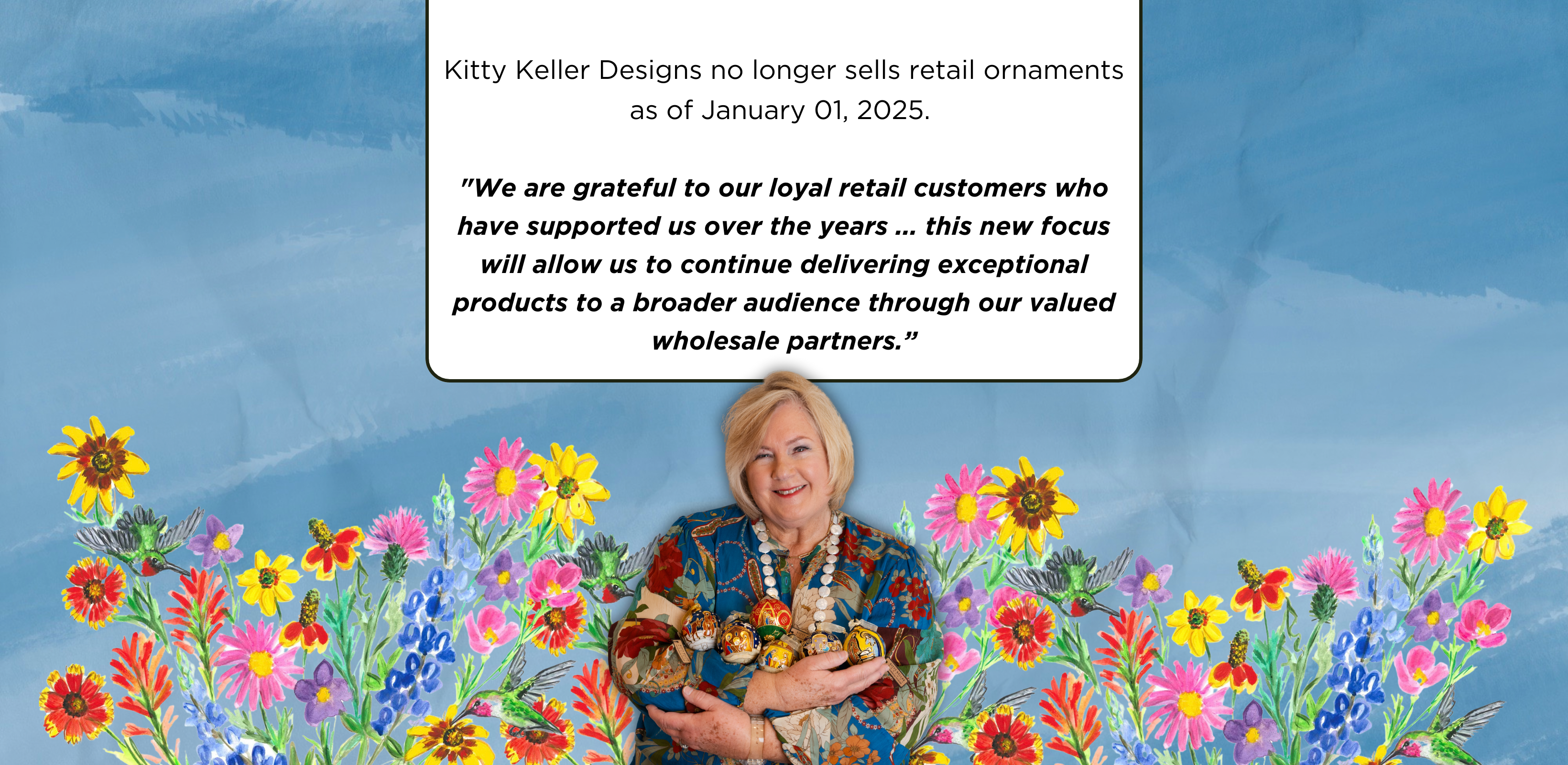
2025 Brings New Beginnings
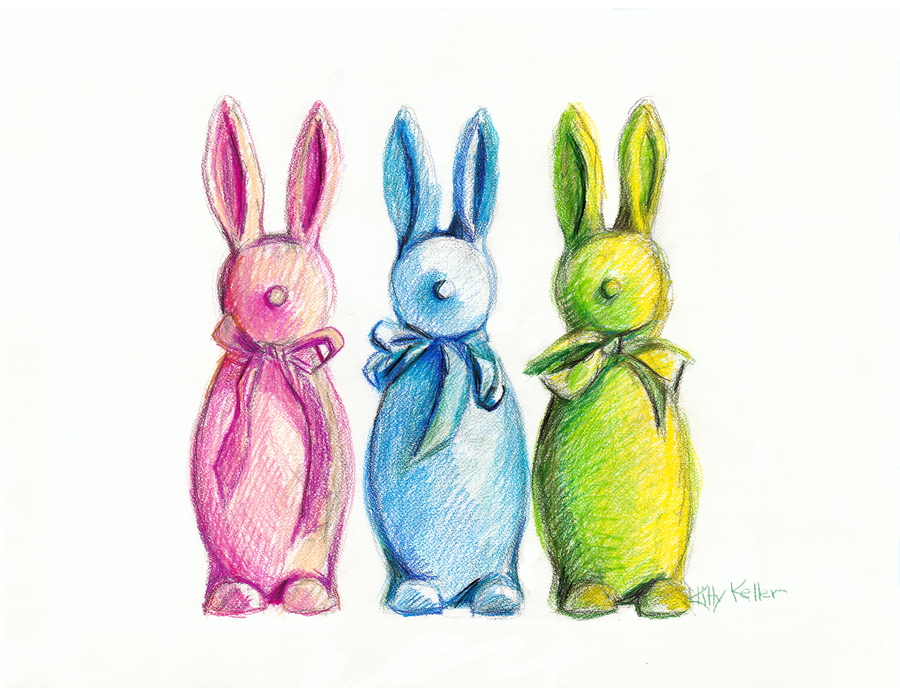
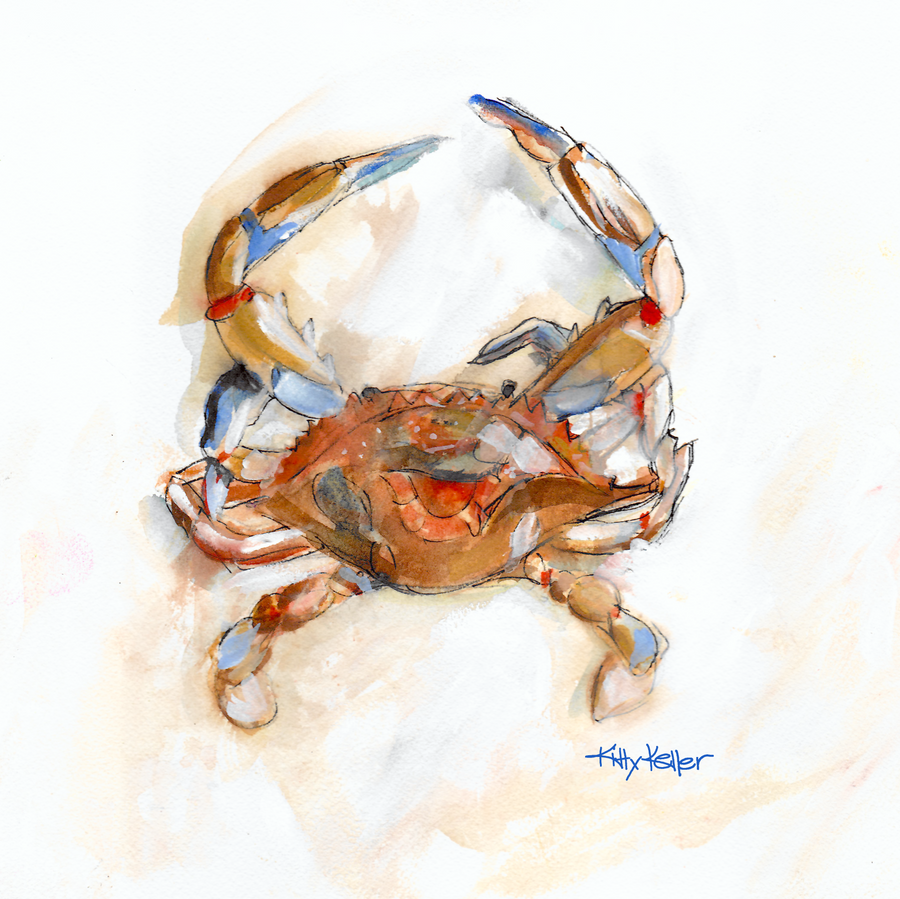
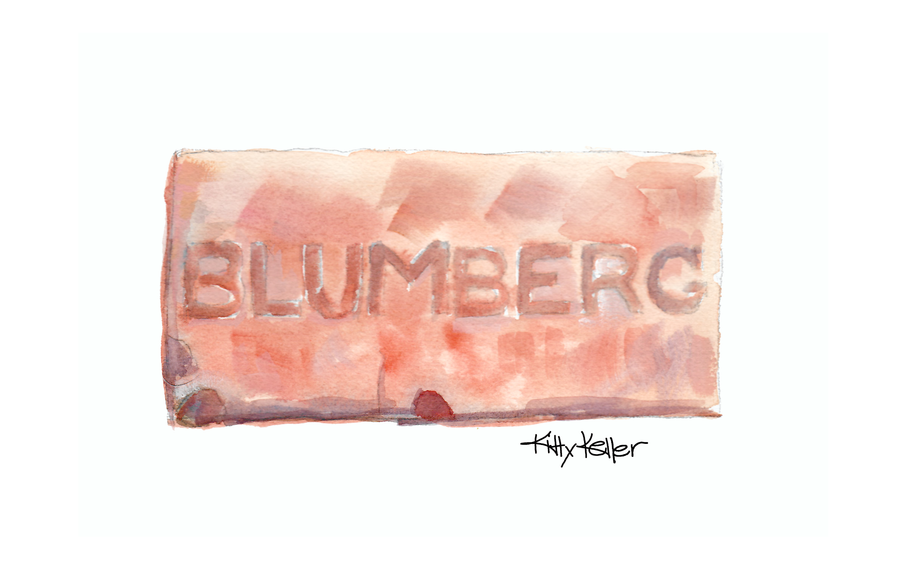
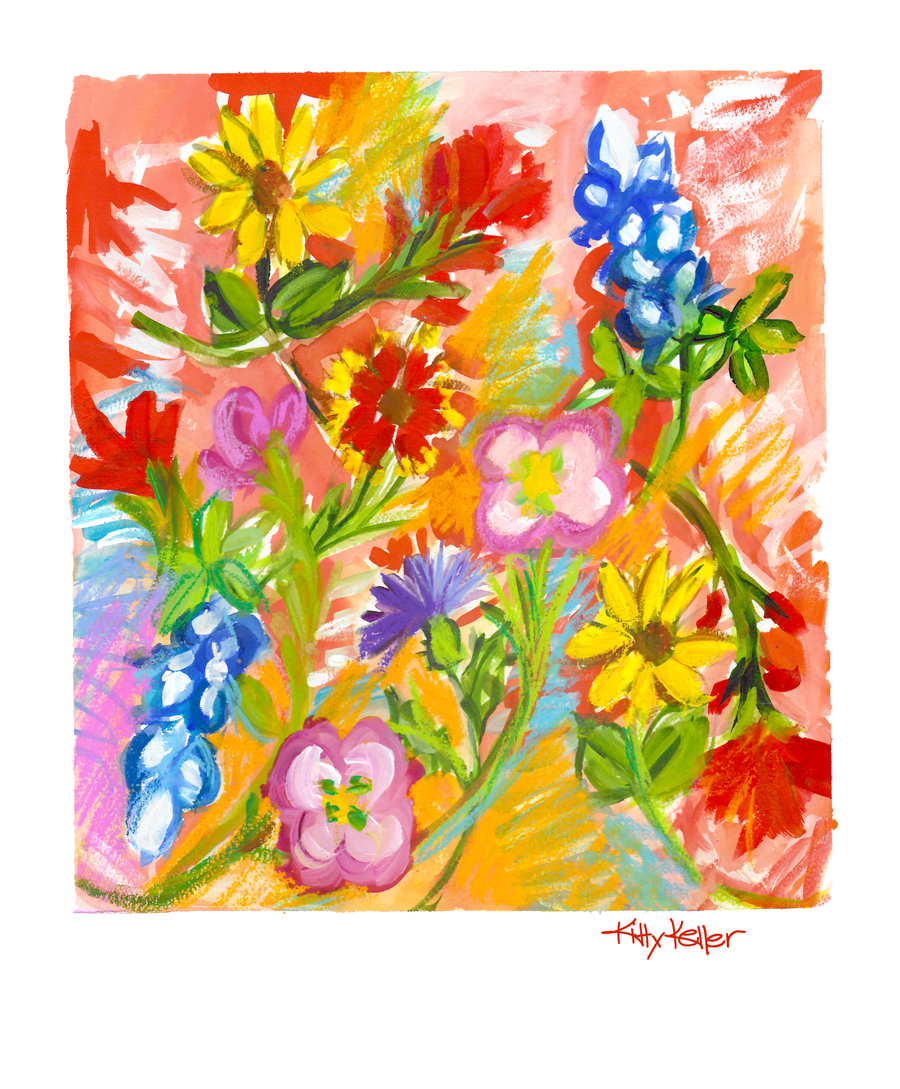
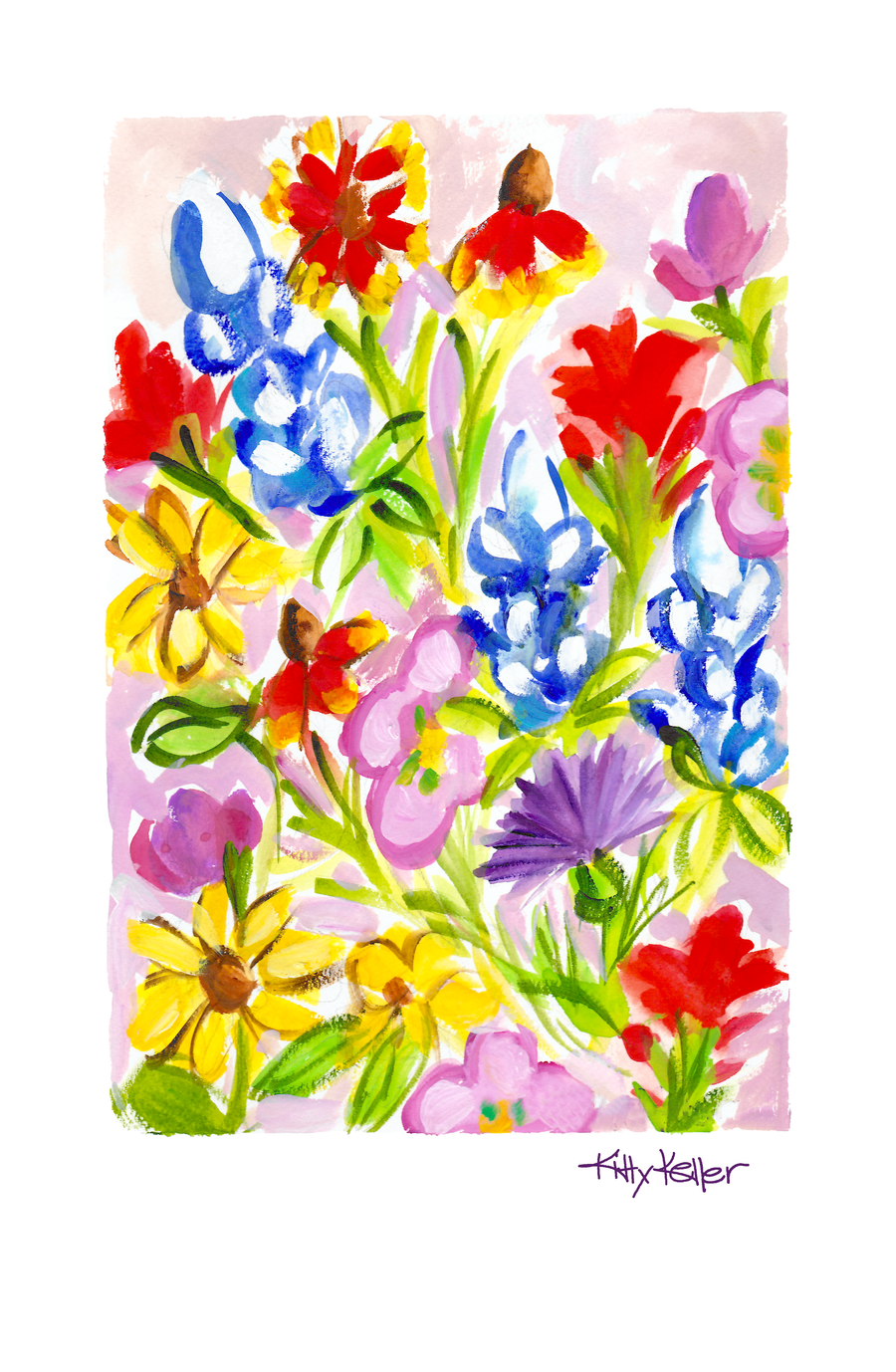
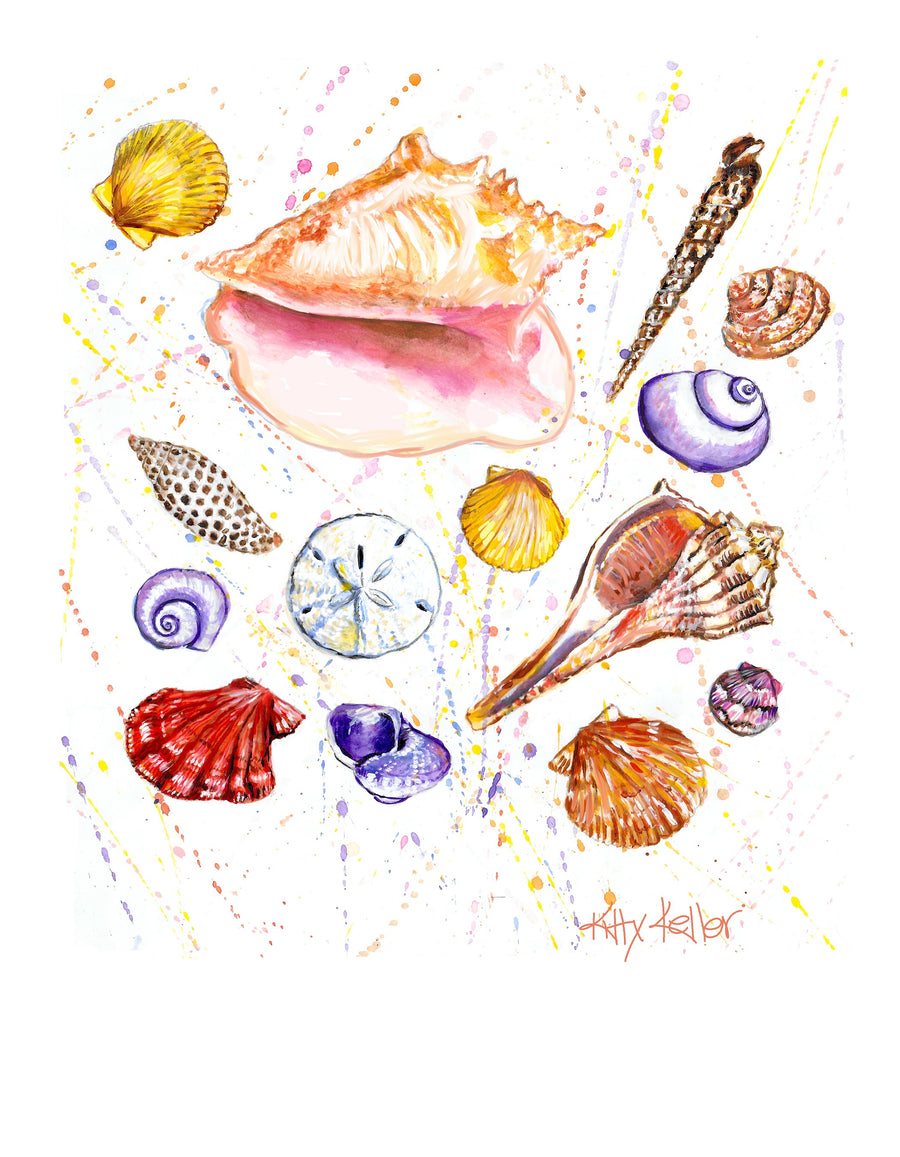
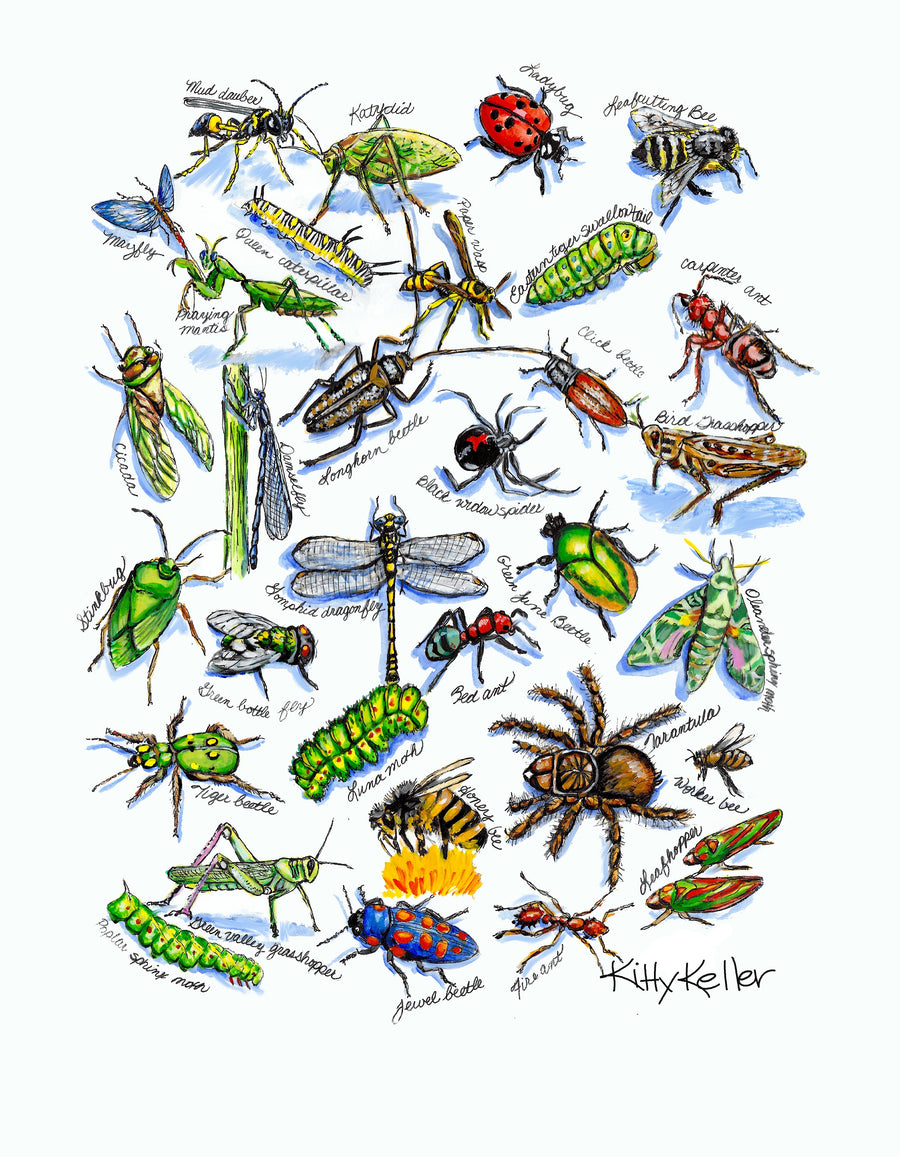
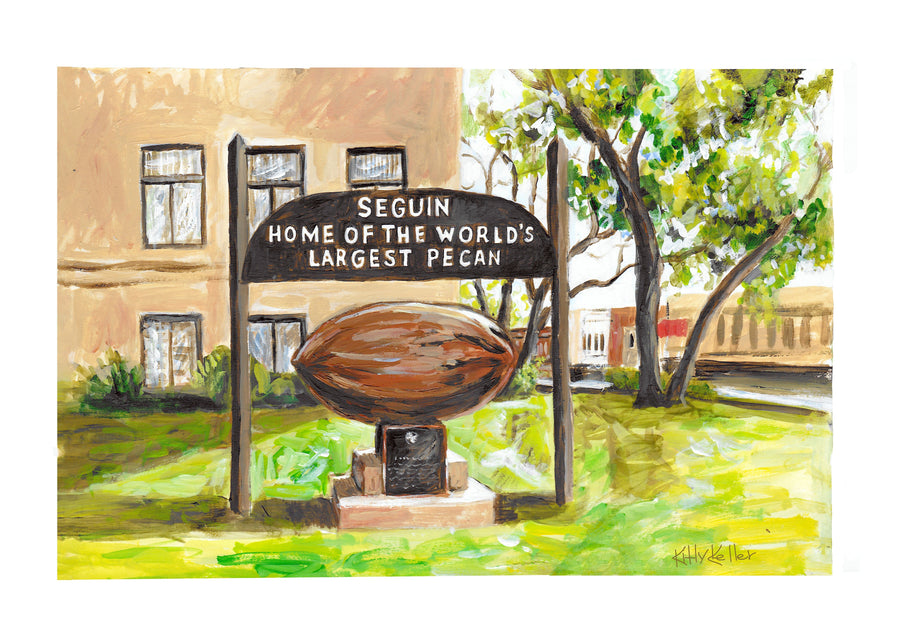
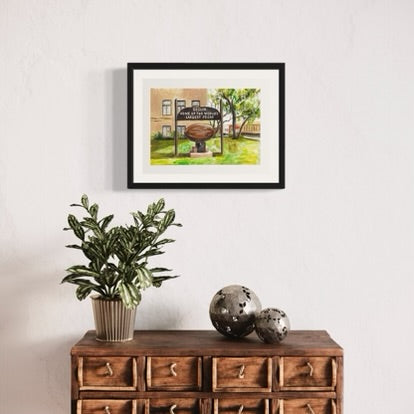
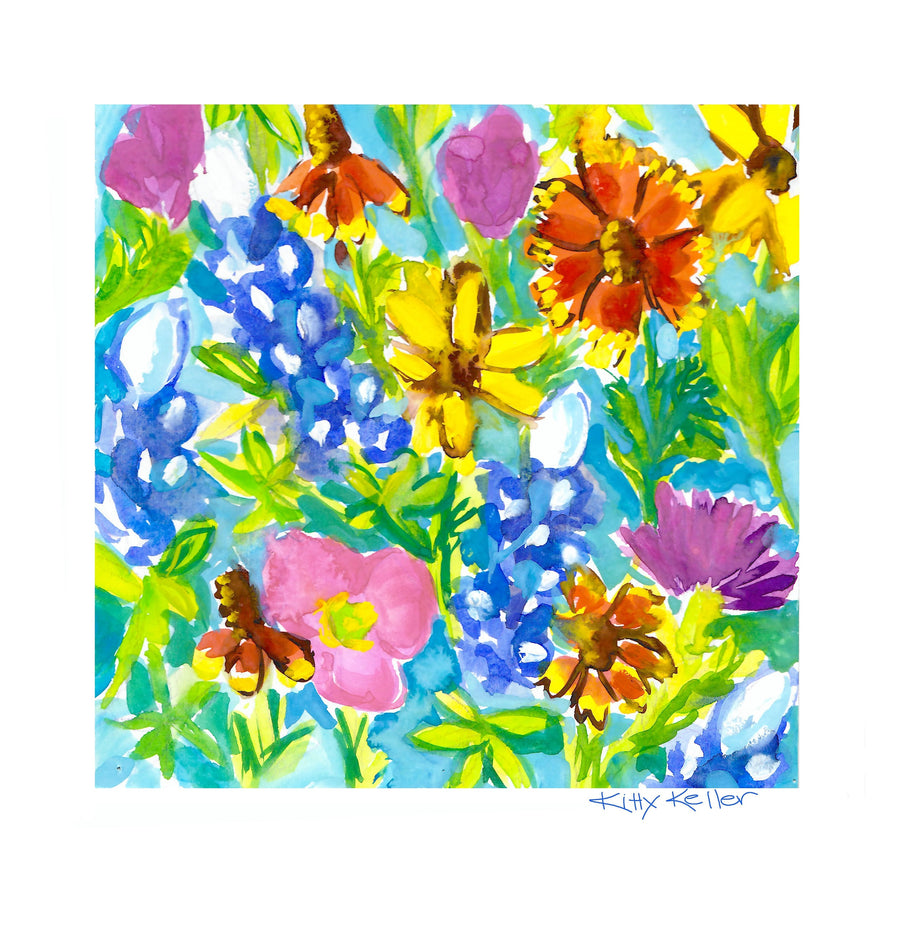
You can still order her Fine Art Giclee Prints and she will be actively adding to that collection this year! You can also check to see if there's a store that carries Kitty Keller Ornaments!
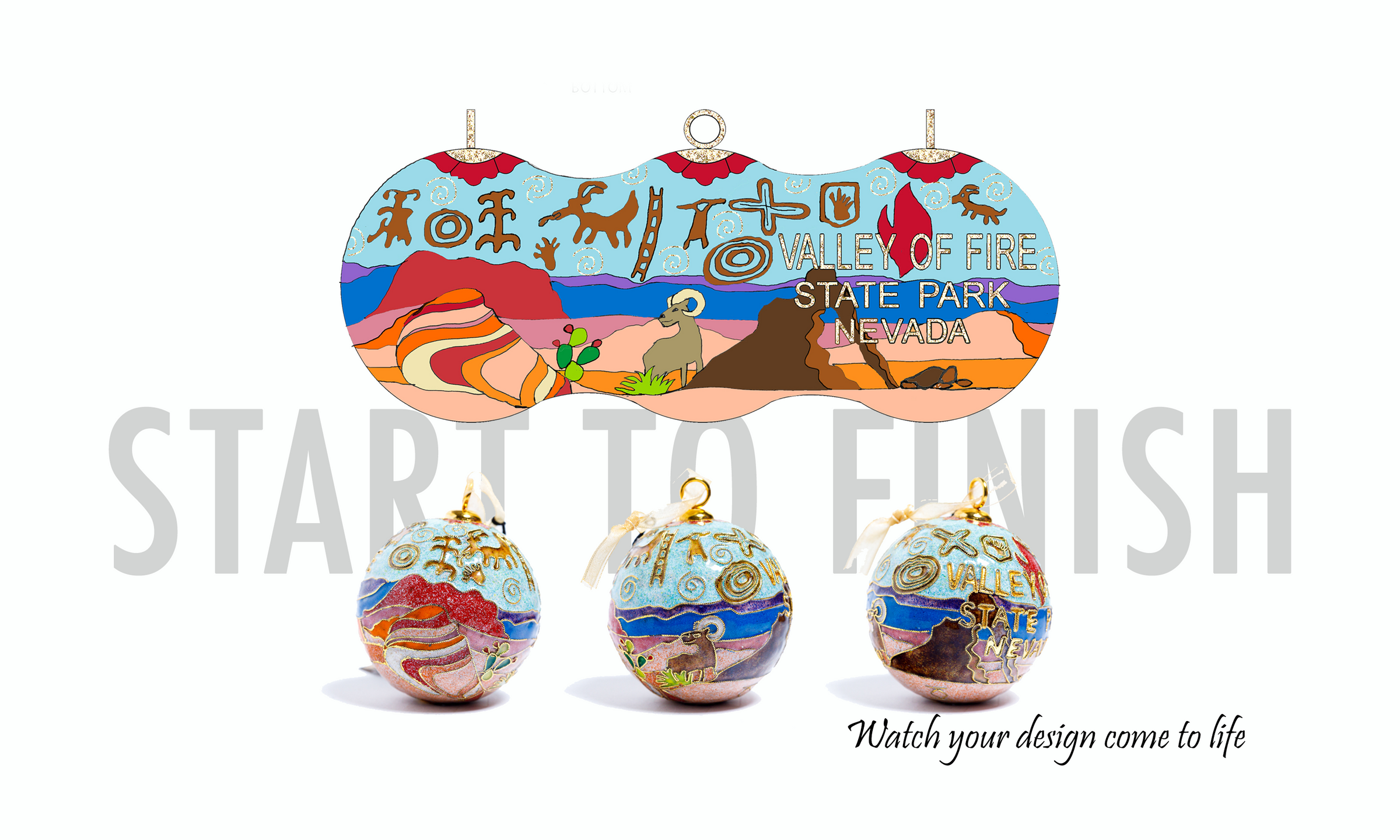
Designs Come to Life
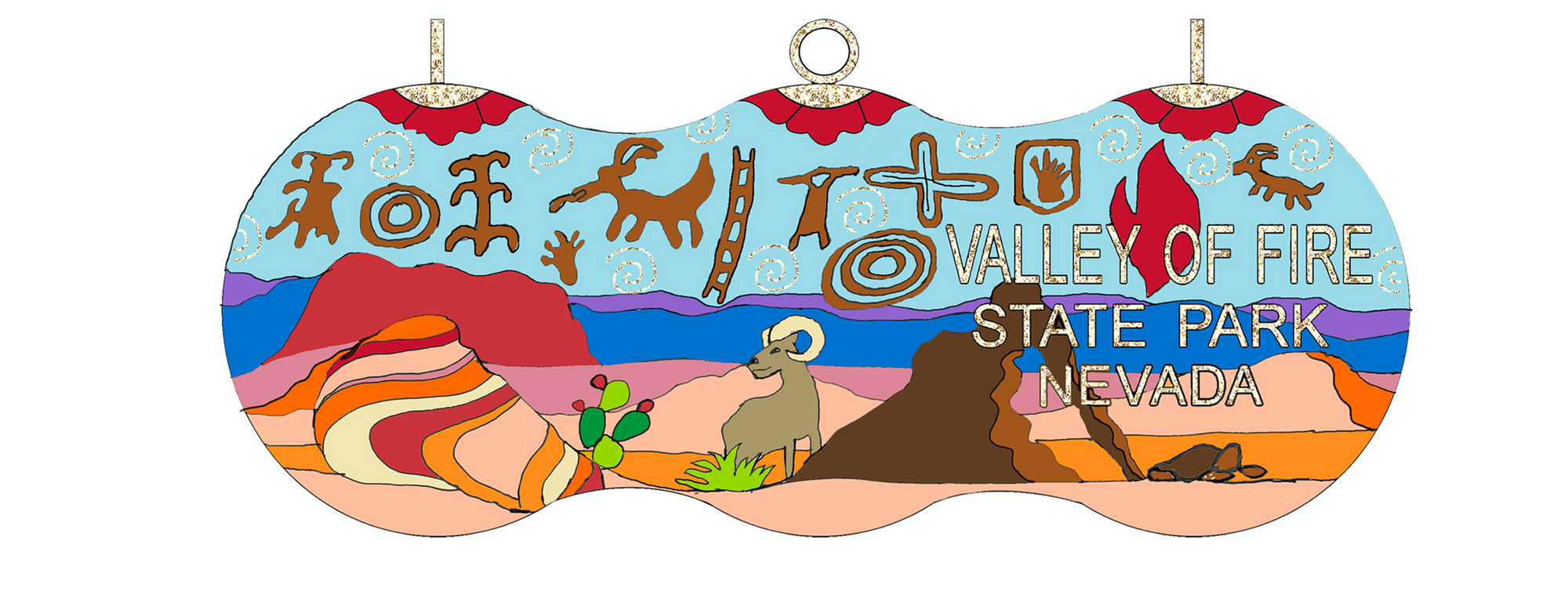
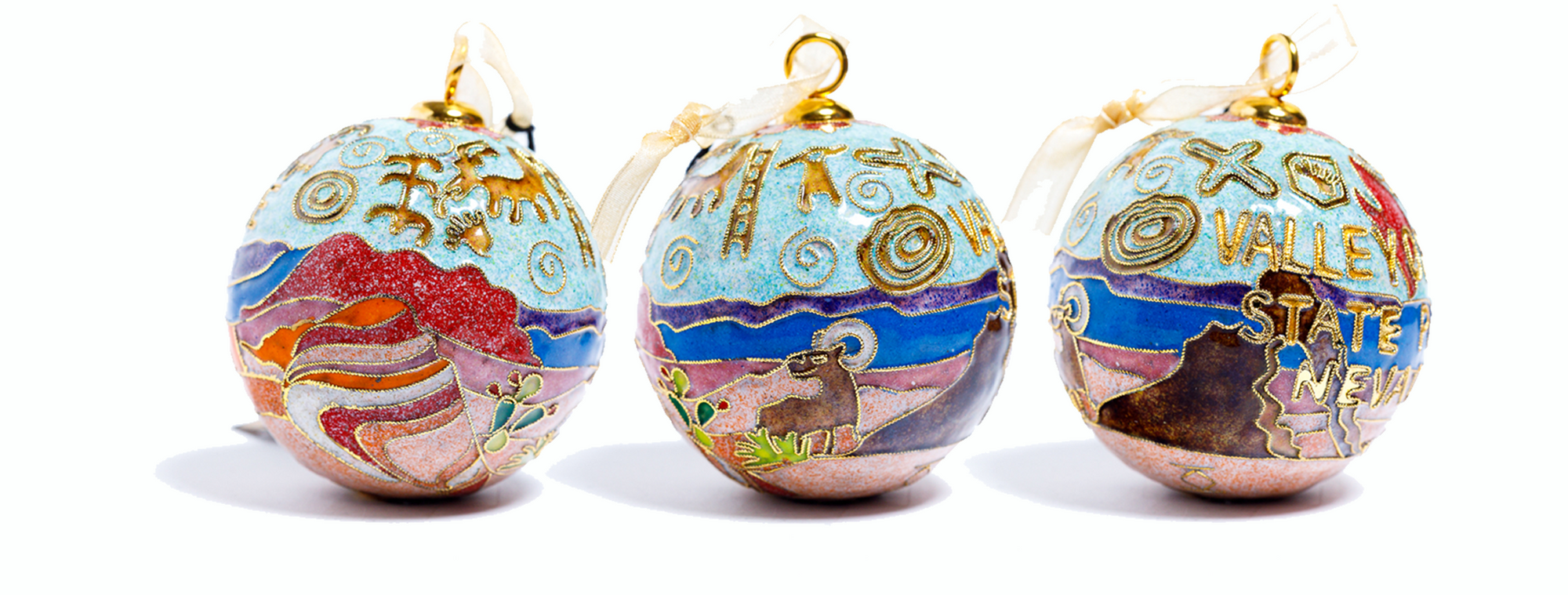
Step-by-Step Guide
How to Create Your Next Custom Ornament
Wholesale Design
Begin carrying our exceptional line of ornaments in your store. Custom ornament design is available. Let us use our decades of experience in creating a beautiful ornament design exclusive to you.
Giclee Fine Art
View all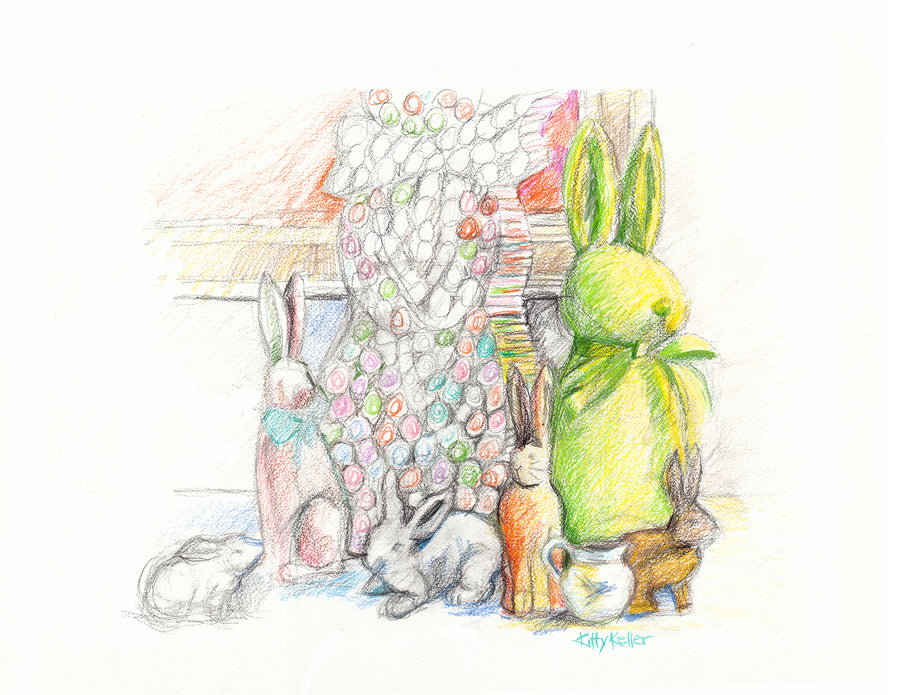
Blog By Kitty
View all
Latest posts
Explore more